


Image
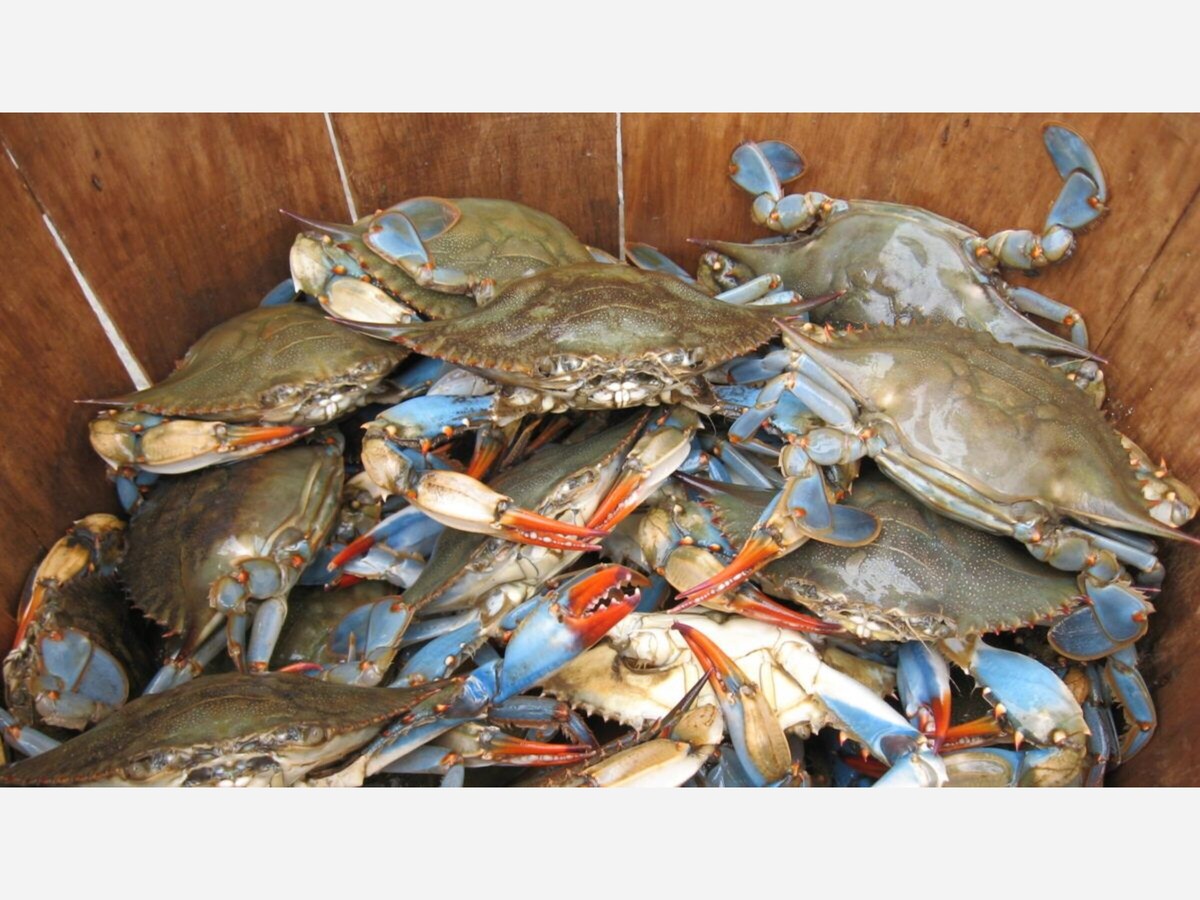
By Jaylan A. Sims, PBS
Why Chesapeake blue crabs remain at risk despite an unusual rebound this year
After half a decade of worryingly low numbers, the Chesapeake Bay's blue crab population appears to be fighting its way out of a slump.
This year's field sampling estimated a total population of 349 million blue crabs in the bay, a 46% increase over last year, according to the Maryland Department of Natural Resources and Virginia Institute of Marine Science's annual winter dredge survey. This raised the population overall to the highest it's been since 2019.
Still, the growth deserves cautious optimism: "We're kind of coming up from the very bottom," said Mandy Bromilow, blue crab program manager at the Department of Natural Resources. The increase is "from basically the lowest point that we've seen."
More than one-third of the nation's blue crab catch comes from the Chesapeake Bay, bringing in at least $74 million dockside in 2024. The results from the annual dredge survey are used by scientists, fisheries and conservation groups to help manage the population.
While juvenile crabs and adult male crabs increased in numbers this year, female blue crabs decreased. Bromilow and other scientists still have no clear explanation for why.
So what's happening to blue crabs in the Chesapeake Bay and what could these changes mean for the future of the population? Here's what to know about the risks they face and what experts say is at stake for the broader ecosystem.
Every year since the 1990s, the Blue Crab Winter Dredge Survey FINISH READING HERE



Moderate rain, with a high of 63 and low of 58 degrees. Don't forget your umbrella! Light rain in the morning, light drizzle in the afternoon, light rain shower in the evening, overcast overnight.