

Image
The Boy Wonder and the Fall of Kings: How Jim Palmer and the 1966 Orioles Shocked the World
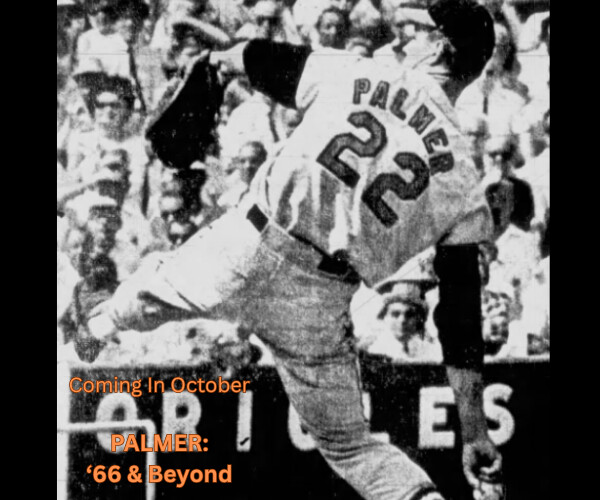
Sixty years ago, in October 1966, the baseball world looked at the Baltimore Orioles and saw lambs being led to the slaughter. The Orioles had enjoyed a magnificent regular season, capturing 97 wins and an American League pennant fueled by Frank Robinson’s legendary Triple Crown campaign.
Yet, as they marched into the 1966 World Series, they were heavy underdogs. Waiting for them were the defending champion Los Angeles Dodgers, a powerhouse built on an intimidating foundation of pitching royalty: Don Drysdale and the peerless, mythic Sandy Koufax.
Conventional wisdom said the Orioles simply didn't have the arms to compete. They were wrong. What followed was not just an upset; it was a coup. And at the epicenter of this seismic shift stood a 20-year-old kid named Jim Palmer.
The Dawn of "Cakes"
Before he was a Hall of Fame icon, Jim Palmer was a nervous rookie figuring out life in the big leagues. The 1966 season was his first year as a full-time starter. He pitched with a furious overhand delivery, fueled on start-days by a superstitious breakfast of pancakes—earning him the lifelong nickname "Cakes".
Palmer had pieced together a stellar 15-10 regular season, even throwing a five-hitter to clinch the pennant in late September. But nothing could prepare a 20-year-old for the cauldron of Dodger Stadium in October, especially when tasked with staring down the greatest pitcher of a generation.
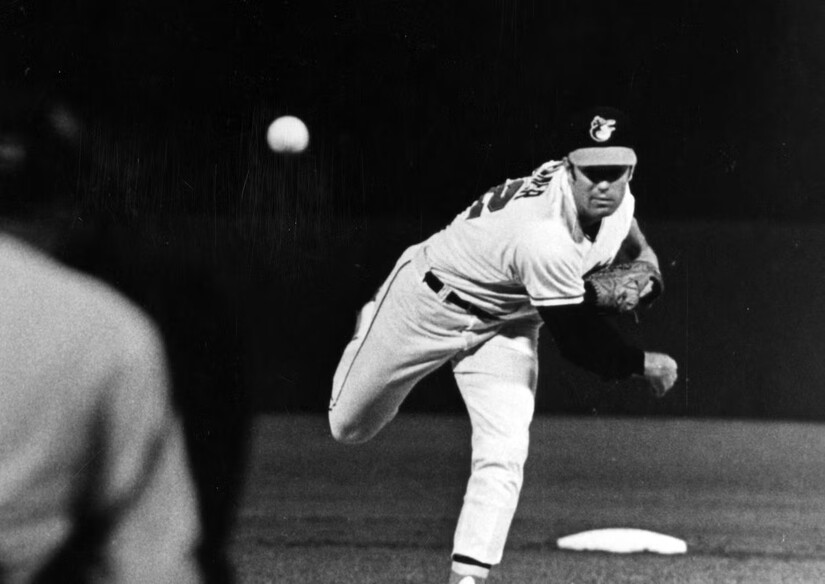 1966 World Series Game 2
Game 2: The Slaying of a Giant
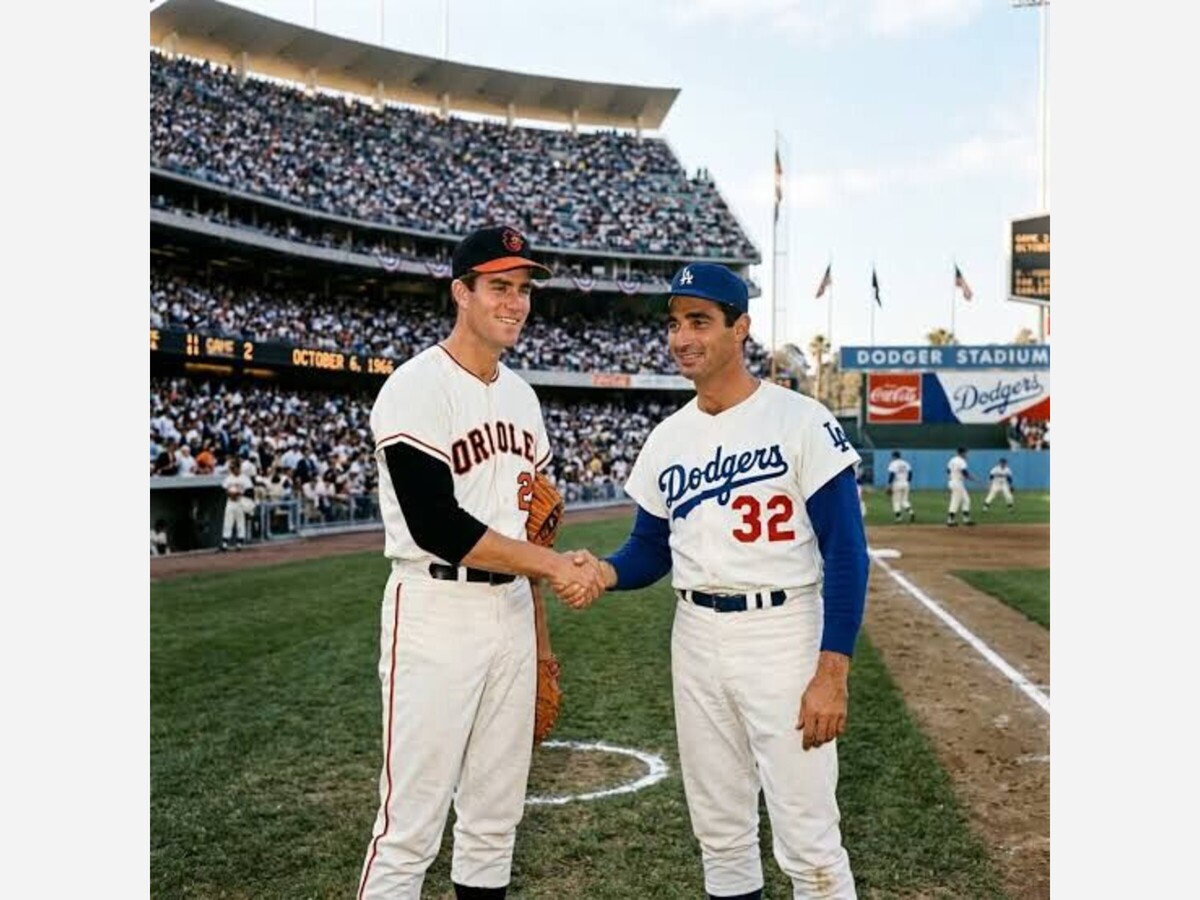
After Baltimore’s bullpen miraculously locked down Game 1, Palmer took the mound for Game 2 on October 6, 1966. Standing 60 feet, 6 inches away was Sandy Koufax. Koufax was coming off a mind-boggling 27-9 season with a 1.73 ERA. He was an absolute god of the mound.
Just nine days shy of his 21st birthday, Palmer was openly terrified of embarrassing himself against his idol. But fear morphed into cold, unyielding composure. Palmer mixed rising fastballs with a biting curve, completely paralyzing the Dodgers’ bats. While Koufax fought valiantly, his defense betrayed him. In a chaotic fifth inning, Dodgers center fielder Willie Davis committed three consecutive errors on routine fly balls—a World Series record—allowing the Orioles to break the game open.
But Palmer didn't need the charity. He was untouchable. When the final out popped up into the glove of Luis Aparicio, the scoreboard read: Orioles 6, Dodgers 0. With that final out, history was rewritten in two profound ways:
1966 World Series - Game 2 Line Score

------------------------------------------

Orioles: 6 Runs | 8 Hits | 0 Errors

Dodgers: 0 Runs | 4 Hits | 6 Errors

------------------------------------------

WP: Jim Palmer (1-0) | LP: Sandy Koufax (0-1)
33 Scoreless Innings: An Unbroken Record
Palmer’s masterful shutout did more than put the Orioles up 2-0; it broke the spirit of the Los Angeles Dodgers. The Dodgers did not score a single run after the third inning of Game 1. Following Palmer’s masterpiece, young Orioles starters Wally Bunker and Dave McNally tossed consecutive 1-0 shutouts back in Baltimore.
When the dust settled, the underdog Orioles had completed a stunning four-game sweep to capture the first World Series title in franchise history. They did it using only four total pitchers the entire series (McNally, Palmer, Bunker, and relief hero Moe Drabowsky). By silencing Los Angeles, Baltimore's staff set a World Series record by holding the Dodgers scoreless for 33 1/3 consecutive innings—a historic mark of dominance that stands untouched.
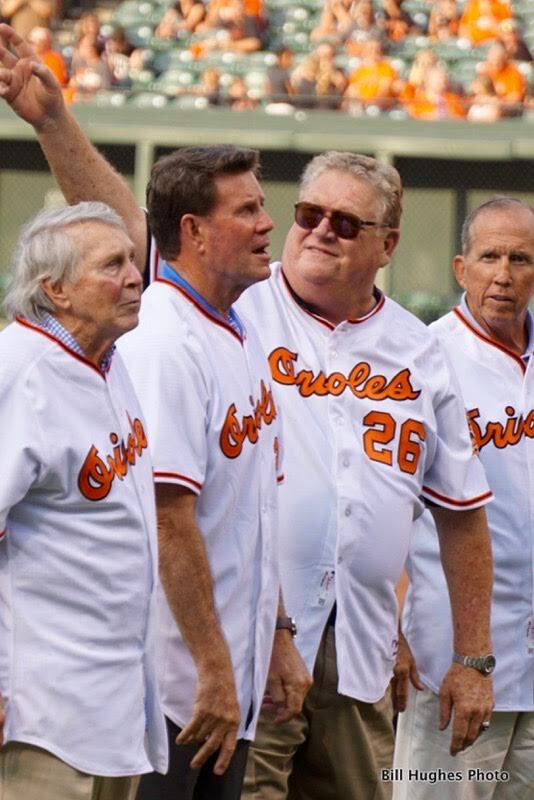 2016. Brooks Robinson, Palmer, Boog Powell, Dave Johnson Honored At Camden Yards For 50th Anniversary of 1966 Championship
The mighty Dodgers were held to a microscopic .142 series batting average, scoring just two total runs all week. The 1966 World Series was supposed to be a coronation for the Los Angeles Dodgers. Instead, it became a changing of the guard, heralded by a 20-year-old kid from Baltimore who looked destiny in the eye and refused to blink.
PT. 2: Only The Beginning
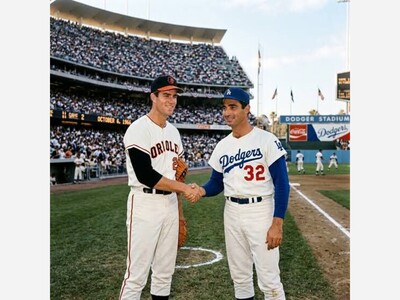

Sunny, with a high of 69 and low of 49 degrees. Sunny in the morning, clear in the afternoon and evening,