58° and Clear



Image
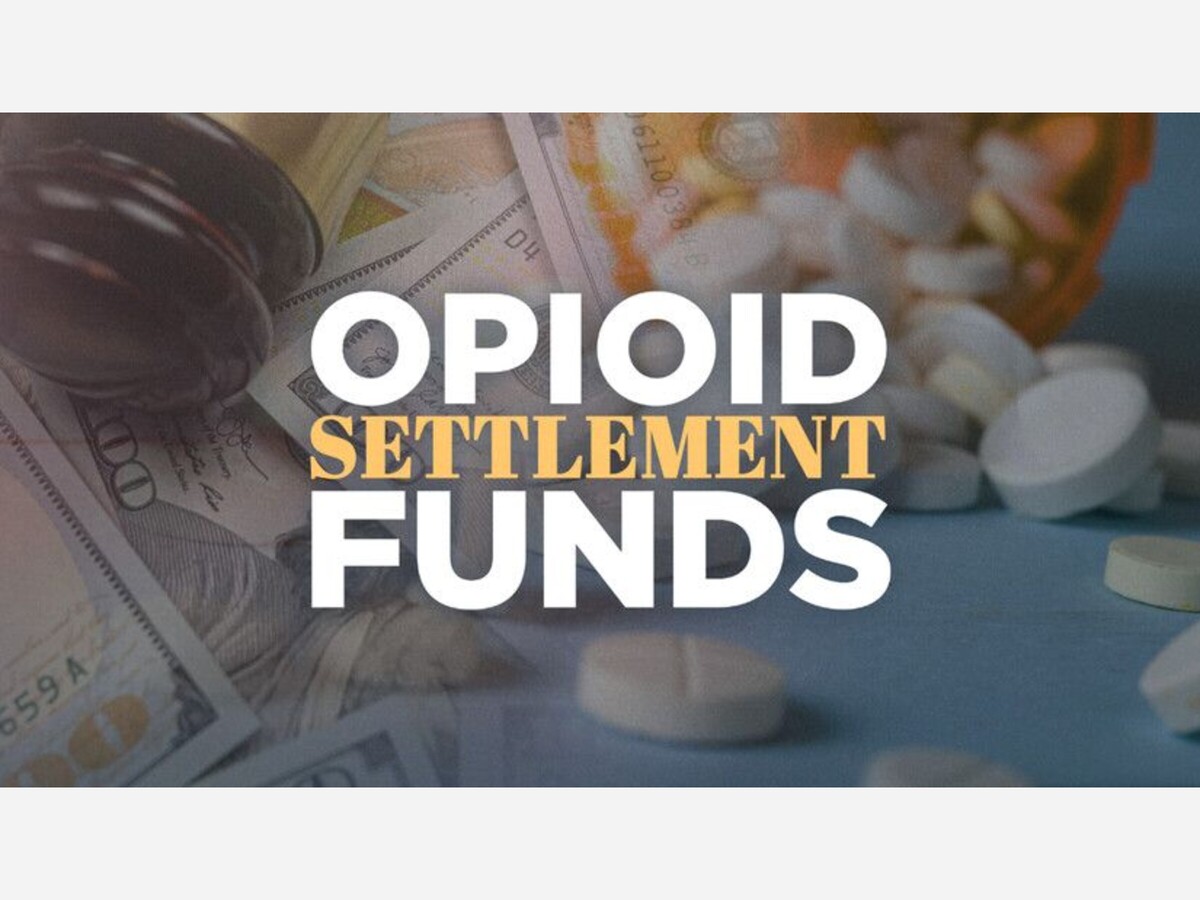
Baltimore County Launches Public Dashboard Tracking Opioid Settlement Funds
Interactive tool increases transparency and accountability while providing residents insight into investments addressing the opioid epidemic
TOWSON — Baltimore County Executive Kathy Klausmeier announced the launch of a new public dashboard that allows residents to track opioid settlement funds received by Baltimore County, view how those funds are being utilized, and learn more about Baltimore County’s efforts to combat the opioid epidemic.
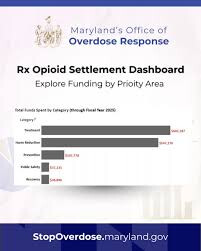
The interactive dashboard provides a comprehensive overview of funds Baltimore County has received and expects to receive through legal settlements with prescription opioid manufacturers, distributors, and retail pharmacies, as disbursed through the State. The dashboard also details how funds are allocated and spent, giving residents visibility into programs and services funded through opioid settlement dollars.
"People need to know where this money is going and whether it's making a difference,” said Baltimore County Executive Kathy Klausmeier. “Families across Baltimore County have felt the impact of the opioid crisis. This dashboard gives residents an easy way to see how we're using these funds to prevent overdoses and help people and families affected by addiction."
The settlements stem from nationwide litigation against pharmaceutical manufacturers, distributors, and pharmacies to address the damage caused by the opioid epidemic and prevent further harm, and funds are used toward remedying the impacts of opioid addiction.
Baltimore County has received approximately $35 million through opioid-related settlement agreements and is expected to receive an additional $55 million through 2039.
The dashboard was created to increase transparency and accountability in how opioid settlement funds are managed and invested. It also provides residents with easy access to Baltimore County's overdose response priorities, funded projects, financial reporting, and planning documents.
“We are utilizing many tools to address opioid misuse and to help stem the tide of addiction and overdose deaths,” said Baltimore County Health Officer Dr. Lucy Wilson. “This public dashboard will help us to share outcomes from the many tools and initiatives we have in place.”
In Maryland, opioid settlement funds are governed by the Opioid Restitution Fund, established by the General Assembly in 2019.
Baltimore County established its Opioid Abatement Fund in 2022 to receive and manage settlement dollars. The fund supports strategies designed to prevent overdose deaths, expand treatment access, support recovery, and assist families and communities affected by substance use disorder.
Current investments supported through opioid settlement funding include mobile harm reduction services that bring naloxone distribution, case management, and connections to treatment directly into communities experiencing high overdose rates. Other programs to receive funding supports mobile treatment services that help residents access medications for opioid use disorder, counseling, and recovery support in areas where transportation and access to care can be barriers.
Settlement funds are used to support a range of initiatives, including:
Funded projects are required to submit quarterly reports about how the funds are being utilized, and Baltimore County provides annual reporting to the County Council detailing settlement fund uses.
“We are committed to addressing the overdose epidemic with solutions that meet community needs and ensuring that fund recipients are accountable for showing results,” said Elise Andrews, Baltimore County’s Opioid Strategy Coordinator. “This website meets the need for transparency by showing the community how the opioid settlement funds are being used.”
The need for continued investment remains significant. In 2025, 158 people died from overdoses in Baltimore County. Forty deaths involved prescription opioids, and fentanyl was involved in approximately 84 percent of opioid-related fatalities, according to the Baltimore County Department of Health.
More information and treatment resources are available through the County’s Hope Is Within Reach initiative and the U.S. Department of Health & Human Services.
Residents can explore the new Opioid Settlement Fund Dashboard here.

Sunny, with a high of 68 and low of 46 degrees. Sunny during the morning, clear for the afternoon and evening,