60° and Clear



Image
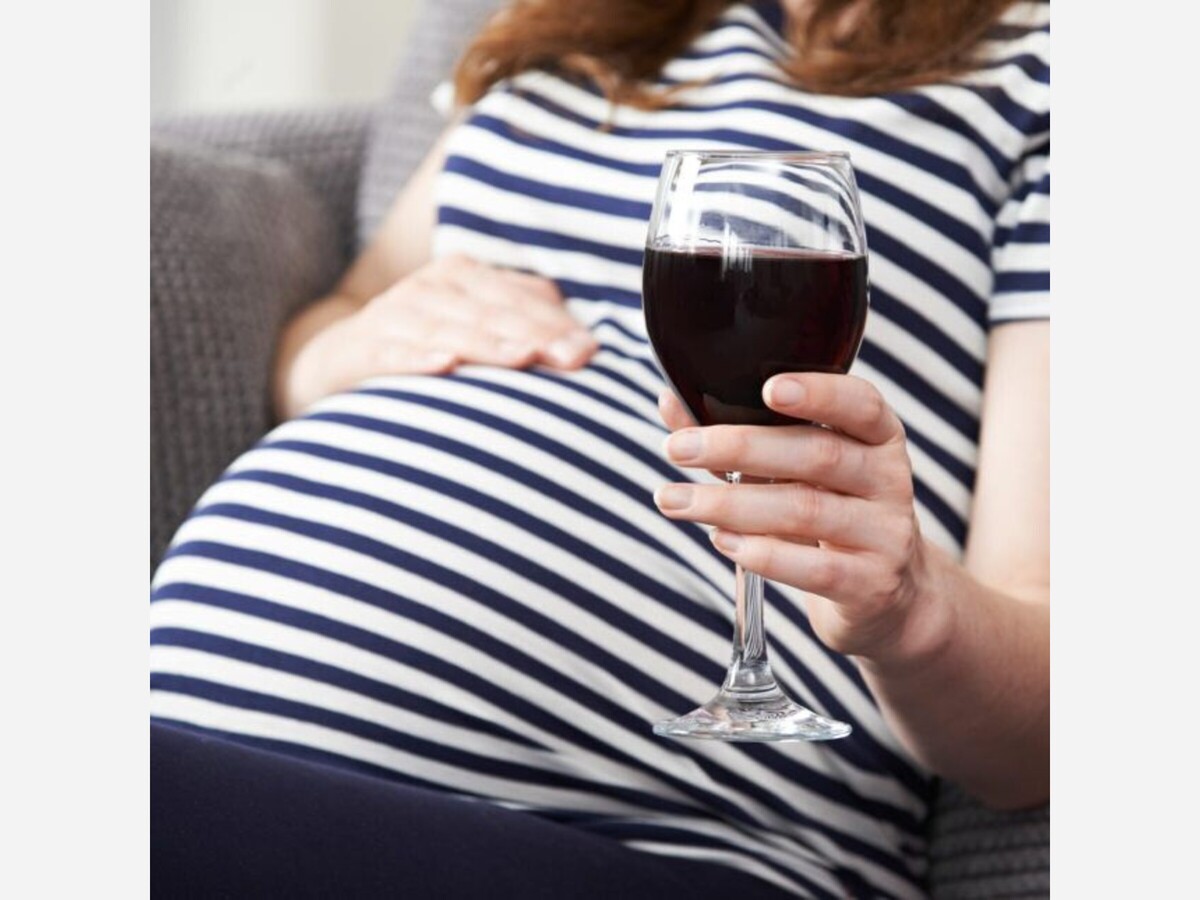
Teens Who Were Exposed to Alcohol Before Birth are More Likely to Drink Hazardously and Engage in Risky Sexual Behavior, According to a Large UK Study
By Research Society on Alcohol
Teens who were exposed to alcohol in utero are more likely than their peers to engage in risky behaviors—most notably, hazardous drinking and underage sex, a combination that could perpetuate the intergenerational transmission of prenatal alcohol exposure (PAE). The UK has one of Europe’s highest rates of alcohol use during pregnancy: at least 41%, potentially reaching 75%. PAE increases the risk of fetal alcohol spectrum disorder, a range of neurodevelopmental impairments. In adolescence, these may manifest as impulsivity, difficulties in making judgments, and social struggles, sometimes extending to sexual inappropriateness, substance dependence, aggression, criminality, and/or difficulties with independent living. For the study in Alcohol: Clinical & Experimental Research, British investigators examined the impact of PAE on multiple risky behaviors in teens.
They worked with data from a long-term study involving over 6,000 teens who provided data on risky behaviours, who were born in the early ‘90s to women who had provided detailed measures of their alcohol use during those pregnancies. The researchers focused on the frequency of drinking in the first two trimesters (none, infrequent, or frequent—the latter defined as 1 or more glasses of wine a week or equivalent) and prenatal binge drinking (defined as 2 or more pints of beer or equivalent on one occasion).
Two in three mothers reported at least infrequent PAE (less than 1 glass of wine or equivalent per week). The children born after those pregnancies had greater odds at age 16 of reporting hazardous alcohol use, compared to their peers without PAE—in the frequent PAE group, 45% higher—though they were not more prone to other risk behaviors. The children born to mothers who reported binge drinking in pregnancy were more likely than others to engage in underage sexual activity before age 16 (34% higher odds) and reported a slightly higher number of risky behaviors overall. Higher counts of risky behaviors are linked to increased illness over the lifetime and earlier death.
The findings support public health recommendations to not drink alcohol while pregnant or planning pregnancy. They could inform clinical messaging and screening before or during pregnancy, in addition to interventions for teens with PAE. Exposure to alcohol in utero can lead to abnormal brain development, especially when coupled with certain genetic influences and longer-term epigenetic processes that may raise susceptibility to harmful PAE.
Prenatal alcohol exposure and the development of multiple risk behaviors in adolescence: A birth cohort study. J.T.I. Parsonage, L. Tinner, D. Troy, C.M. Taylor, C. McQuire.



Sunny, with a high of 76 and low of 55 degrees. Sunny during the morning, clear in the afternoon and evening,