57° and Clear



Image
Metro board greenlights moving forward with Red Line train automation, platform doors

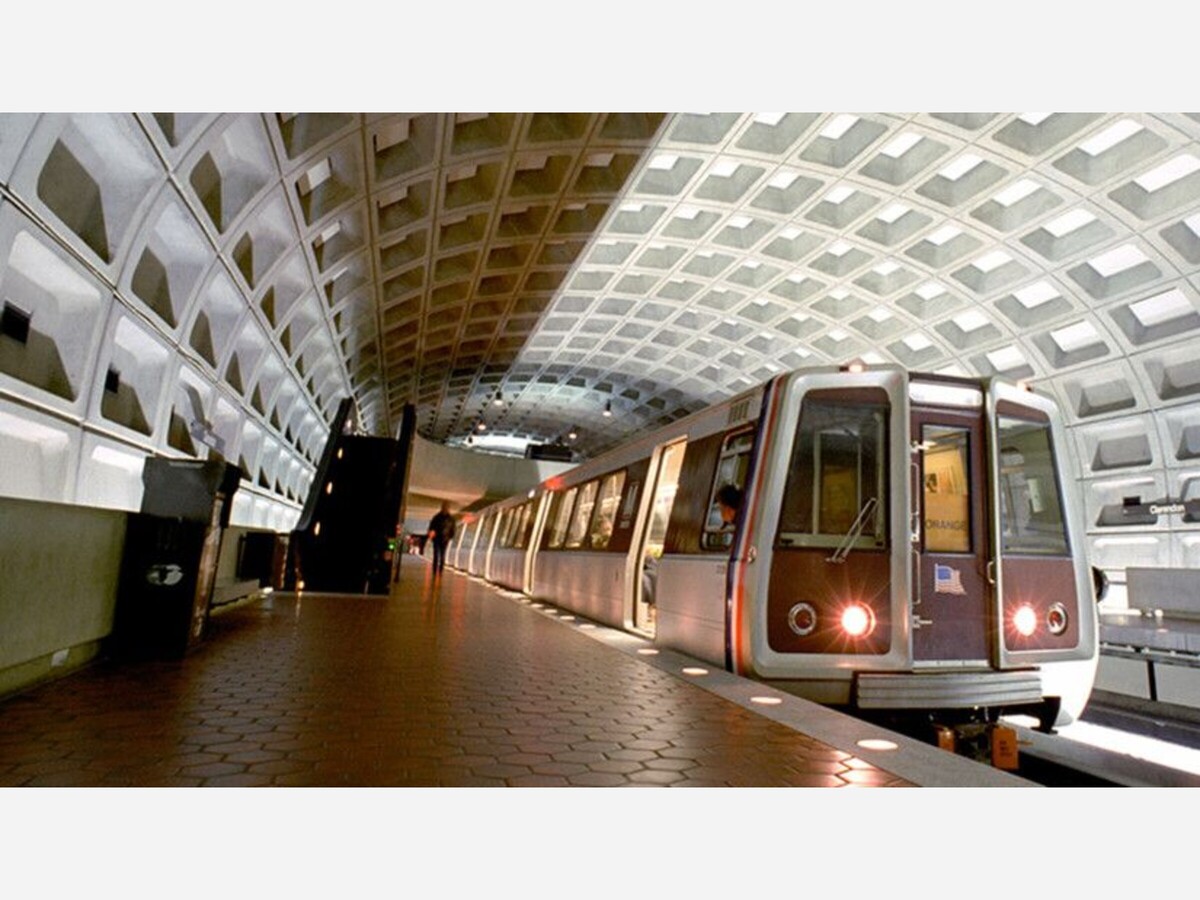
The Washington Metropolitan Area Transit Authority (WMATA) Board of Directors voted unanimously on Thursday to move forward with a $913 million plan that would bring full automation to the Red Line, to the point where trains could run without an operator.
According to the proposal, the investment would support a multi-year effort to upgrade infrastructure, improve service reliability, and introduce advanced rail technologies.
The “Red Line Modernization Project” would not only lead to trains having the ability to run on full autopilot, but would also bring what are called “platform screen doors” to 20 of the 27 Red Line stations. A platform screen door is a barrier that prevents people from falling on the tracks; it includes doors that open automatically when a train pulls up to the station so riders can board.
The project also includes a new signaling system, something Metro has said for years that it needs in order to run trains with fewer problems and delays.
Darien Flowers, a member of the WMATA Board of Directors, said the agency is overdue for major modernization efforts.
“As we celebrate our 50th year, the fact that we have technology in the stations right now that is 1970s-era technology, now is the time to modernize and expand our customer experience, especially the fact that we are the nation’s transit system,” Flowers said.
Metro officials told the transit agency’s board of directors Thursday morning that at this point, they believe the automation and other changes could launch as early as 2032 or 2033, but they cautioned that this is subject to change.
Metro officials also warned that the plan is dependent on Metro receiving a large federal grant to help pay for it. While not guaranteed, Metro leaders say the project is eligible for such a grant and they are hopeful they’ll receive it. If they don't, Metro's board would have to decide whether to spend all local money on the project or to scale it back.
While WMATA is exploring automation, no major U.S. transit system currently operates fully automated passenger rail service at the scale being proposed for the Red Line.
More than a dozen members of the union ATU Local 689, which represents about 8500 Metro employees, came to Thursday’s meeting to show their opposition to the plan.
“Who wants a train going down the tracks at 75 miles per hour with no operator in it?” Union President Raymond Jackson told 7News. "We’re not in a state of good repair. It’s like you’re going out and trying to buy this brand new shiny new car, but you need to fix your old car.”
“The choice isn’t between upgrading to automation versus taking care of what’s needed. We’re doing both," said Metro board of directors chair Valerie Santos.
“I’m not nervous at all. Have you ever been to Dulles Airport and gone between terminals? Then you’ve been on a train without an operator," said Metro General Manager Randy Clarke, who added that no decision has been made yet on whether operators will remain on trains or not: "We never said all the trains would not have people on board. Across the world, everyone does this differently. Some people have an operator stay in a cab. Some people have what they call a train attendant. They may be on the vehicle to deal with door issues or customers. Sometimes people use those positions to have more safety and security or ambassador staff.”
Metro says whether other lines besides the Red Line will see similar changes depends on future funding. Clarke says Red was chosen for several reasons. One is that it's the oldest line, and therefore is in the most need of new signaling equipment. Also, it's the only line that never shares tracks with another line, meaning it will be less complicated to do the project on the Red Line than to do it on other lines.
The board also voted unanimously to approve Metro’s budget for the next fiscal year, which starts July 1. It includes improvements to some rail and some bus services.
Riders will have to wait until December for the improvements to rail service. At that time, trains on the Orange, Blue, and Silver lines will arrive every 10 minutes instead of every 12 minutes throughout the day and into the evening on weekdays. Also in December, Red Line “late night” service that begins at 9:30 p.m. will be improved, with trains arriving every 7-8 minutes instead of every 10 minutes.
The budget also includes what Metro says will be improvements to some bus lines that will start in June:
DC
Virginia

Sunny, with a high of 69 and low of 46 degrees. Sunny during the morning, clear for the afternoon and evening,