56° and Clear



Image
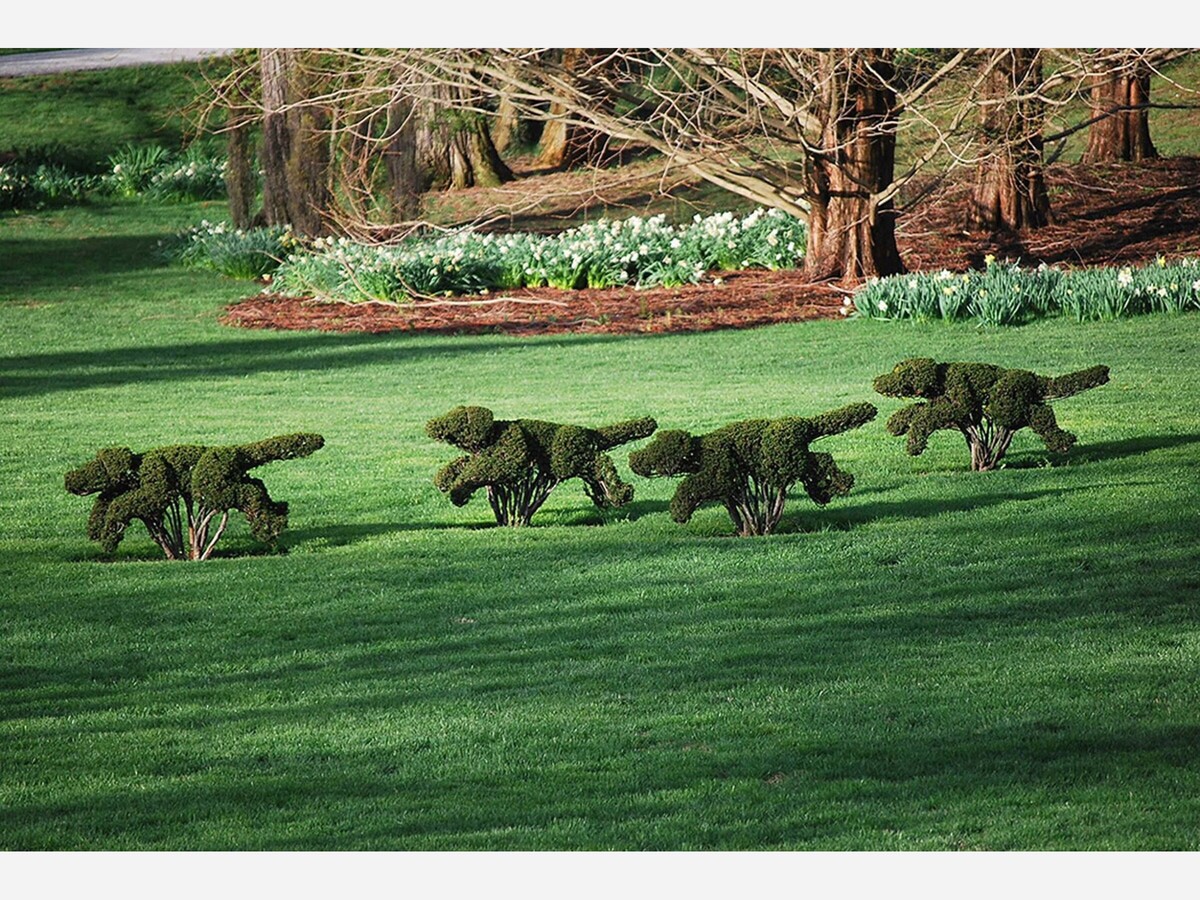
Located in Monkton, Maryland, Ladew Topiary Gardens is a historical sanctuary of ever-changing beauty, with 22 acres of award-winning gardens, over 100 topiary sculptures, a historic Manor House, and a mile-long Nature Walk. We are a nonprofit organization dedicated to public education, cultural preservation, and sustaining the estate of Harvey S. Ladew.
OPEN APRIL 2 - OCTOBER 31
MONDAY - TUESDAY 9 am-4 pm
CLOSED WEDNESDAY
THURSDAY - FRIDAY 9 am-4 pm
SATURDAY - SUNDAY 9 am-5 pm
Our office is open year-round,
Monday through Friday
from 8 am-4 pm.
2026
ADULTS $22
SENIORS (62+) $18
YOUNG ADULTS (13-18) $18
CHILDREN (2-12) $7
CHILDREN UNDER 2 Free
MEMBERS Free
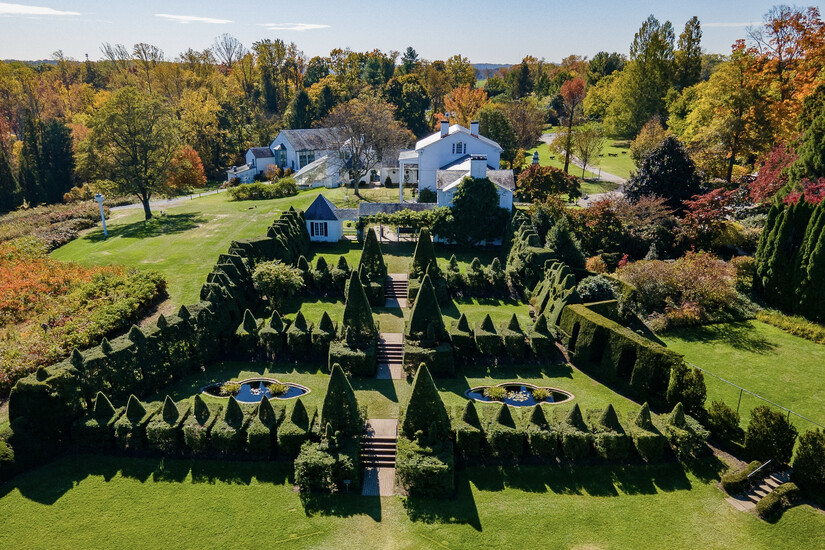
he Ladew Gardens estate is a living testament to the vision and creativity of Harvey S. Ladew. Born into wealth in 1886, Ladew was an avid fox hunter whose love for the sport and the Maryland countryside led him to purchase the Pleasant Valley Farm in 1929. The farm, which eventually became Ladew Gardens, provided the ideal canvas for blending his passion for gardens and architecture, transforming it into a historical landmark of natural beauty and cultivated elegance. Ladew was a recipient of several awards throughout his lifetime. He was the Master of the Elkridge-Harford Hunt for several years, and he received the Distinguished Service Medal of the Garden Club of America for his "great interest in developing and maintaining the most outstanding topiary in America, without professional help."
A lifelong bachelor, Ladew died on July 28, 1976, in Monkton, Maryland, at 89.

The Gardens, covering 22 acres, reflect Ladew’s travels in England and Italy. They feature a design centered around two cross-axes, which converge at the oval swimming pool in the Great Bowl. This layout creates vistas leading to distinct "garden rooms," each showcasing unique themes, colors, or plants inspired by formal English gardens. Notable rooms include the Rose Garden, Pink Garden, and Yellow Garden, each dedicated to specific plant varieties or color schemes.
Ladew was captivated by the beauty of topiary during a fox hunting trip in England, where he was inspired by a grand estate garden's sculpted figures. Resolving to replicate them in his garden, this passion led him to create over 100 living sculptures, including the iconic fox and hound Hunt Scene.
In 1971, the Manor House, Gardens, and grounds were opened to the public. The Garden Club of America recognized Ladew’s accomplishments, awarding him the Distinguished Achievement Award for creating the most outstanding topiary gardens in the country without professional help. Today, visitors can wander through these unique garden rooms and enjoy the serenity, sophistication, and wit that Ladew infused into every corner of his property.
Harvey Ladew’s vision for the Manor House, which he purchased in 1929, was to create a space that reflected his love for fine design, fox hunting, and the simple pleasures of English countryside living. Originally a 200+ acre property with a farmhouse dating back to the 1700s and 1800s, the house featured no modern amenities like plumbing and electricity. Ladew transformed the home with the help of renowned architect James W. O’Connor and notable interior decorators Billy Baldwin, Jean Levy, and Ruby Ross Wood.
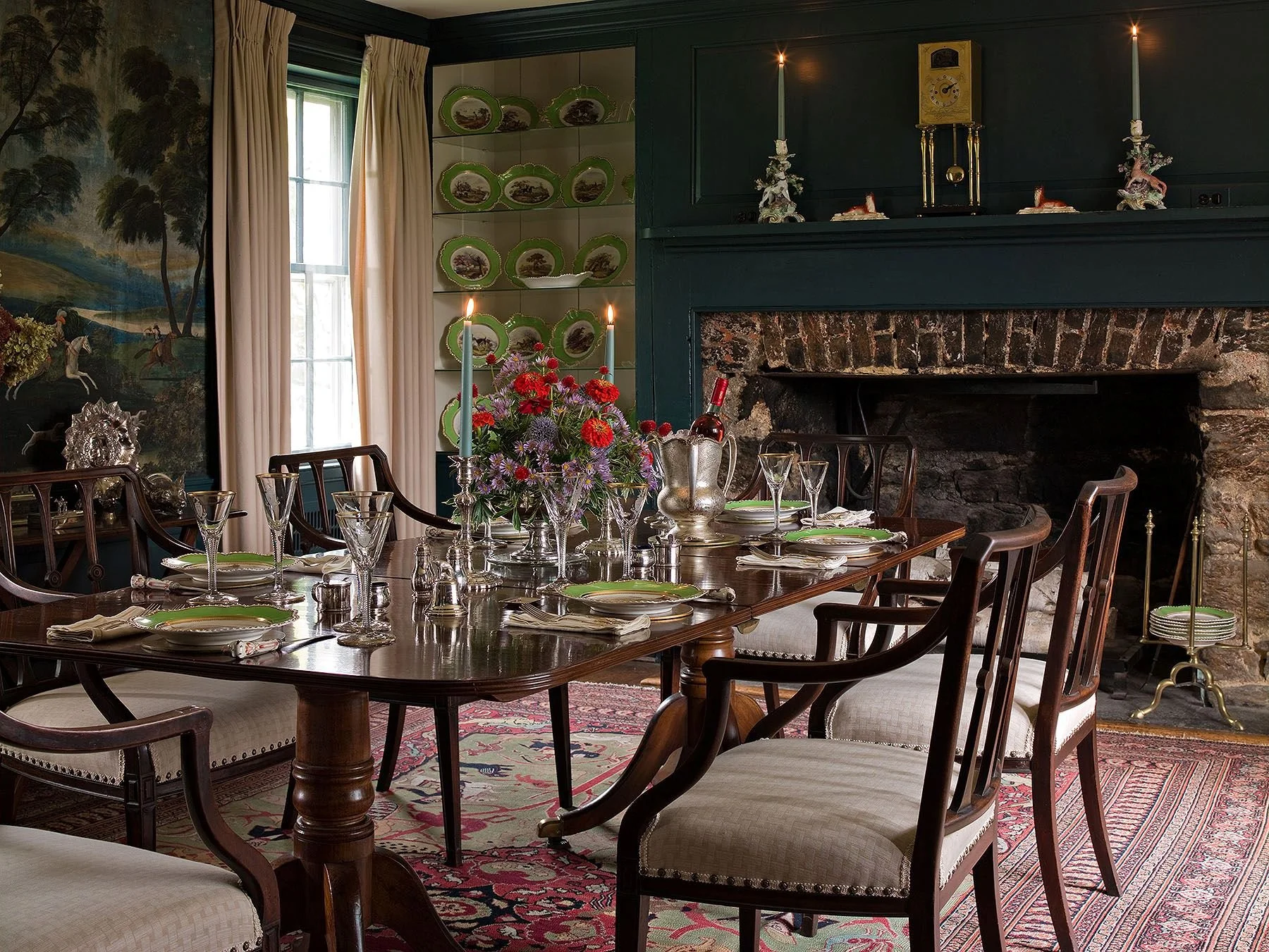
The Manor House is an interior designer, history buff, or antique enthusiast's dream, featuring exquisite details that combine elements from different historical periods. The Elizabethan Room derives its name from the plaster ceiling molded in a 16th-century Tudor Rose Pattern and features leaded windows that reflect the costumes of the 17th century. Architectural details of the Drawing Room draw influence from the Hammond-Harwood House in Annapolis. The Oval Library boasts a rich history with an elegant 18th-century oval partners' desk—a masterpiece of Georgian craftsmanship imported from England—and an impressive collection of over 2,500 books.
Included in Helen Comstock’s book One Hundred Most Beautiful Rooms in America, the Oval Library is a favorite among visitors. The Manor House remains a fitting tribute to Ladew's charm, sophistication, and wit, with docent-led tours providing insight into the life of the man who created this remarkable estate. With a curated collection of antiques from around the world, the Manor House is warm, cozy, alive, and full of history to share.
The Manor House and Gardens are listed on the National Register of Historic Places.
Ladew Topiary Gardens
3535 Jarrettsville Pike
Monkton, Maryland 21111
Nestled in the picturesque Maryland countryside just north of Baltimore, Ladew Gardens is a renowned estate that combines nature, art, and history. Spanning 22 acres, the historical destination showcases stunning, award-winning gardens featuring over 100 intricate topiaries. Enchanting with a unique artistic flair, Ladew Gardens celebrates the creative vision of Harvey S. Ladew, inviting guests to unplug in a place where discovery is limitless, reconnect with nature, and relax in the beauty of sprawling gardens.
Upon entering the Gardens, the iconic Hunt Scene greets visitors as a display of one of Mr. Ladew's favorite pastimes, fox hunting. Meticulous "garden rooms" surround the estate, leading guests on a journey culminating at the breathtaking Great Bowl in the center of the grounds. The Nature Walk invites visitors to explore a serene, unspoiled landscape, fostering a deeper connection to the environment and supporting Ladew’s commitment to education. In the Butterfly House, guests can marvel at the delicate dance of native butterflies and moths and discover the wonder of their life cycle up close.

Built over three centuries, the historic Manor House was the residence and creative haven of Harvey S. Ladew, who designed its surrounding gardens. Over time, the Manor House has become a captivating showcase of his artistry with each room telling a unique story through exquisite antiques and treasures collected from his worldly travels.
Today, Ladew Gardens thrives as a vibrant cultural and community hub, welcoming over 50,000 visitors annually. The property is meticulously maintained to reflect Harvey S. Ladew’s original vision, allowing guests to experience the wonder and creativity he intended. Events, from educational programs to seasonal celebrations, make it a beloved destination for all ages, nature enthusiasts, and locals.
the Ladew Gardens estate is a living testament to the vision and creativity of Harvey S. Ladew. Born into wealth in 1886, Ladew was an avid fox hunter whose love for the sport and the Maryland countryside led him to purchase the Pleasant Valley Farm in 1929. The farm, which eventually became Ladew Gardens, provided the ideal canvas for blending his passion for gardens and architecture, transforming it into a historical landmark of natural beauty and cultivated elegance. Ladew was a recipient of several awards throughout his lifetime. He was the Master of the Elkridge-Harford Hunt for several years, and he received the Distinguished Service Medal of the Garden Club of America for his "great interest in developing and maintaining the most outstanding topiary in America, without professional help."
A lifelong bachelor, Ladew died on July 28, 1976, in Monkton, Maryland, at 89.
The Gardens, covering 22 acres, reflect Ladew’s travels in England and Italy. They feature a design centered around two cross-axes, which converge at the oval swimming pool in the Great Bowl. This layout creates vistas leading to distinct "garden rooms," each showcasing unique themes, colors, or plants inspired by formal English gardens. Notable rooms include the Rose Garden, Pink Garden, and Yellow Garden, each dedicated to specific plant varieties or color schemes.
Ladew was captivated by the beauty of topiary during a fox hunting trip in England, where he was inspired by a grand estate garden's sculpted figures. Resolving to replicate them in his garden, this passion led him to create over 100 living sculptures, including the iconic fox and hound Hunt Scene.
In 1971, the Manor House, Gardens, and grounds were opened to the public. The Garden Club of America recognized Ladew’s accomplishments, awarding him the Distinguished Achievement Award for creating the most outstanding topiary gardens in the country without professional help. Today, visitors can wander through these unique garden rooms and enjoy the serenity, sophistication, and wit that Ladew infused into every corner of his property.
Harvey Ladew’s vision for the Manor House, which he purchased in 1929, was to create a space that reflected his love for fine design, fox hunting, and the simple pleasures of English countryside living. Originally a 200+ acre property with a farmhouse dating back to the 1700s and 1800s, the house featured no modern amenities like plumbing and electricity. Ladew transformed the home with the help of renowned architect James W. O’Connor and notable interior decorators Billy Baldwin, Jean Levy, and Ruby Ross Wood.
The Manor House is an interior designer, history buff, or antique enthusiast's dream, featuring exquisite details that combine elements from different historical periods. The Elizabethan Room derives its name from the plaster ceiling molded in a 16th-century Tudor Rose Pattern and features leaded windows that reflect the costumes of the 17th century. Architectural details of the Drawing Room draw influence from the Hammond-Harwood House in Annapolis. The Oval Library boasts a rich history with an elegant 18th-century oval partners' desk—a masterpiece of Georgian craftsmanship imported from England—and an impressive collection of over 2,500 books.
Included in Helen Comstock’s book One Hundred Most Beautiful Rooms in America, the Oval Library is a favorite among visitors. The Manor House remains a fitting tribute to Ladew's charm, sophistication, and wit, with docent-led tours providing insight into the life of the man who created this remarkable estate. With a curated collection of antiques from around the world, the Manor House is warm, cozy, alive, and full of history to share.
The Manor House and Gardens are listed on the National Register of Historic Places.
Ladew Topiary Gardens
3535 Jarrettsville Pike
Monkton, Maryland 21111


Sunny, with a high of 69 and low of 46 degrees. Sunny during the morning, clear for the afternoon and evening,